
Why this article matters
Warehouse automation is one of the most strategic decisions a company can make. But every major investment carries risks, and choosing the wrong automated storage system can lead to operational inefficiencies, unexpected costs, and delays in reaching business goals.
This article is designed to help you identify the most common mistakes companies make during selection and implementation. Knowing what to avoid is the first step toward making an informed decision.
Mistake 1: Thinking only in terms of space
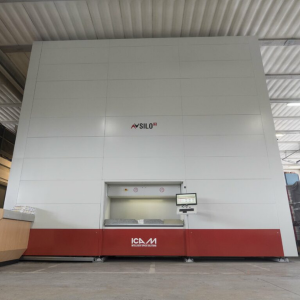
The instinct when choosing an automated warehouse is often to reclaim usable surface area. Vertical warehousing does help maximize height utilization but focusing solely on that is shortsighted.
A robust design also considers the number of SKUs, stock turnover, weight, and value of materials. Space and volume should align with real flows, picking logic, and accessibility.
Mistake 2: Overlooking required logistics performance
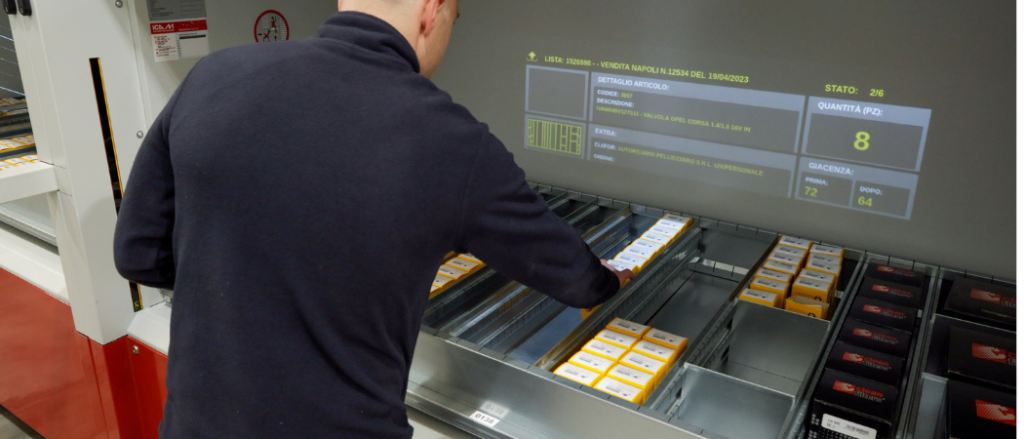
Many projects focus on the physical structure of the warehouse while neglecting the most critical aspect: expected performance. True efficiency isn’t measured just by cubic meters stored, but by cycle times, throughput, operational continuity, and error reduction.
An automated system must deliver performance aligned with demand, adapt to peaks, and support business evolution. Neglecting these facets leads to bottlenecks and hidden costs that damage ROI.
Mistake 3: Adopting a solution misaligned with business flows
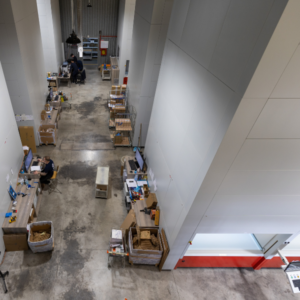
Each department has its own flows, priorities, and timing. Often a “one-size-fits-all” system is chosen without assessing actual departmental use. A warehouse serving production will have different needs than one for spare parts logistics or post-sales support.
A configuration suitable in one context may be inefficient in another. It’s essential to analyze real flows before design, using simulations or dynamic layouts.
Mistake 4: Ignoring software integration
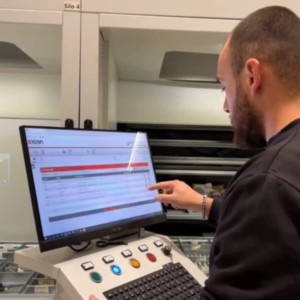
An automatic warehouse isn’t just about mechanics, the software is key. If it can’t integrate seamlessly with your ERP or WMS, automation may introduce new issues rather than resolve them.
Always verify that your chosen solution is open, scalable, and compatible with your information systems. Lack of integration slows processes, increases errors, and limits traceability.
Mistake 5: Underestimating material weight and value
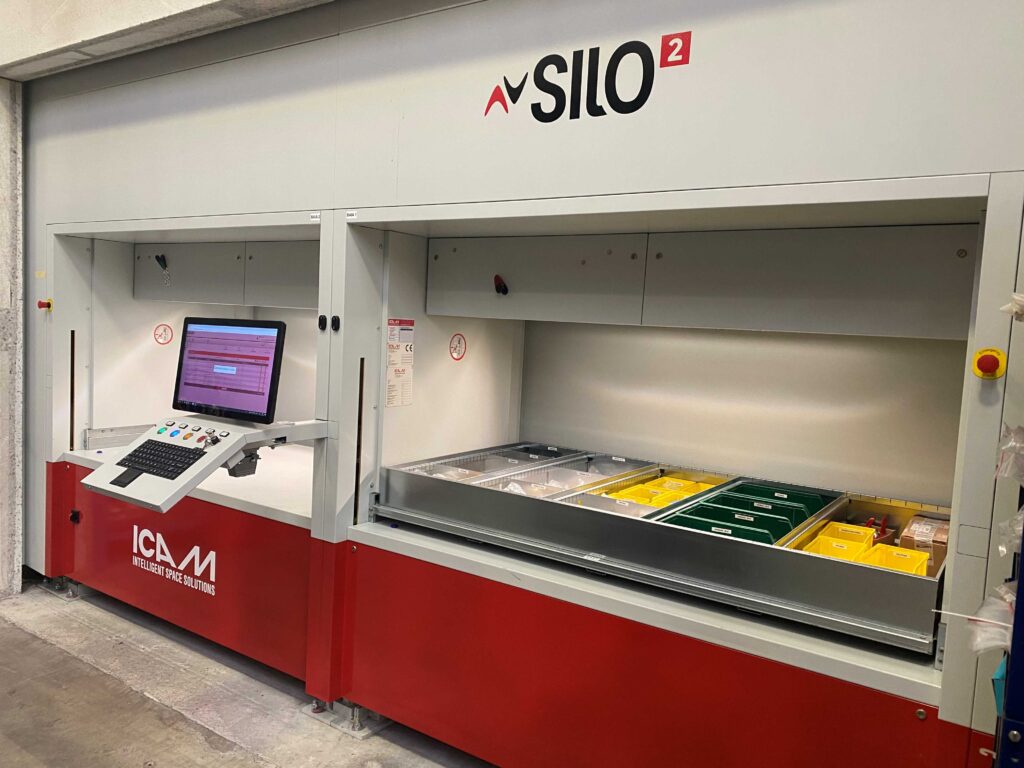
Not all materials behave the same. Underestimating weight or fragility can lead to improper configuration, tray overloads, premature wear, and system downtime.
Highvalue or strategically important items also need secure, monitored systems, often with regulatory constraints or controlled temperature environments. Evaluating the physical nature and value of inventory during design is crucial.
Mistake 6: Failing to analyze existing warehouse data
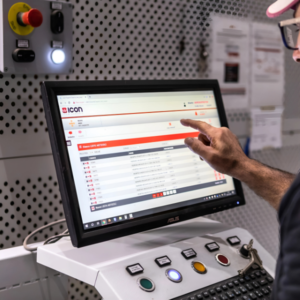
A frequent mistake is designing a new automatic warehouse without first consulting existing company data. Picking history, SKU turnover frequency, error occurrences, and seasonal flow, these are valuable inputs for designing a facility based on real-world usage.
Tools like ABC analysis, ERP reports, or layout simulations (e.g. by ICAM) allow you to create realistic scenarios before investing. Without that foundation, even the best systems may be inefficient or underused.
Mistake 7: Neglecting long-term flexibility
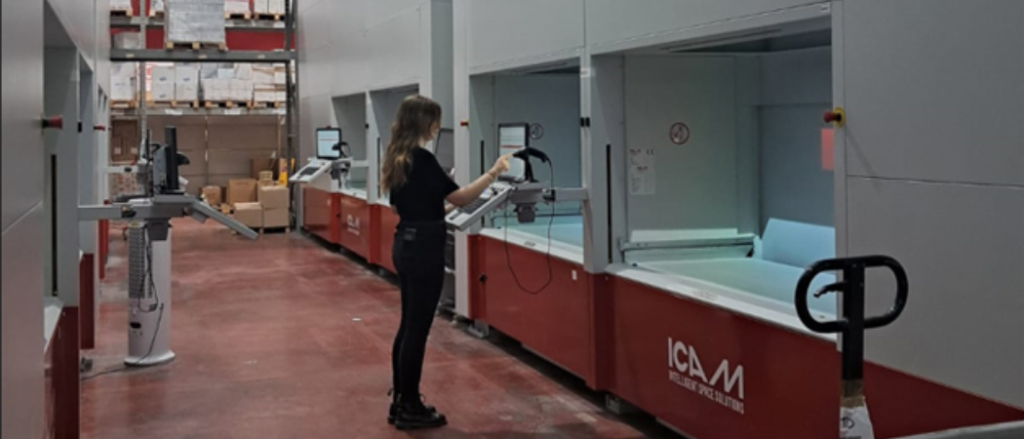
Each automatic warehouse should be designed with both current and future needs in mind. SILO² offers strategic flexibility that allows companies to grow over time: you can integrate new machines into the same logistics area, reconfigure trays based on evolving SKU mix, and optimize vertical space use according to new workflows.
Continuous performance monitoring enables internal organization improvements, components’ wear reduction, energy consumption control, and overall system efficiency enhancement.
The advantage of informed design
Avoiding these mistakes doesn’t just mean buying a higher-performance system – it means building logistics infrastructure coherent with company goals.
The secret? Don’t rely on intuition, rely on numbers.
Data analysis, simulation, and expert consulting are essential tools to create a tailor‑made, reliable vertical automatic warehouse that grows with your business.
Download your free checklist
Want to self-assess and check if you’re on the right track? We’ve prepared a concise checklist with key questions to consider before choosing your automated warehouse.
Download the checklist “What you should know before choosing your SILO² VLM”