
In the modern business landscape, the supply chain represents a crucial element for the operational and strategic success of enterprises. But what exactly does it mean and what role does this complex activity play in the business context? In short, the supply chain is the integrated set of processes and activities that influence the production and distribution of goods and services, from the supplier to the final consumer. This complex system includes the management of the flow of materials, information, and money, ensuring that products ultimately reach the end customer as efficiently as possible.
Definition of Supply Chain
Importance of the Supply Chain for companies
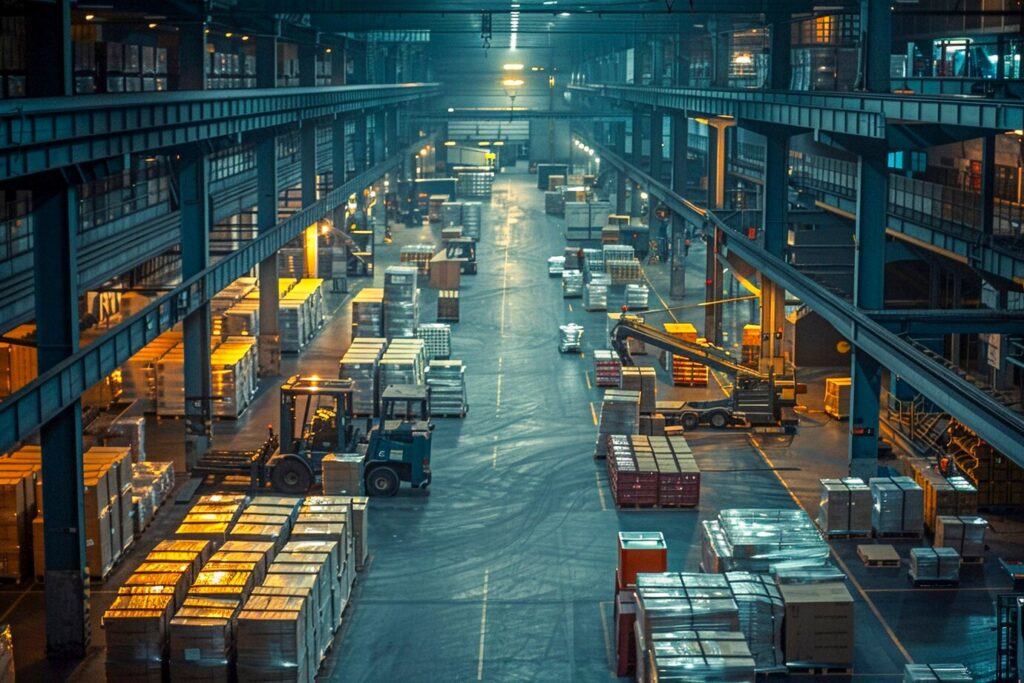
An efficient supply chain is essential for ensuring customer satisfaction, reducing operational costs, improving product quality, and maintaining a competitive advantage in the market. Companies that can optimize their processes can benefit from greater efficiency, flexibility, and operational resilience, allowing them to quickly adapt to changing market demands.
The links of the Supply Chain
Like a real “chain,” the supply chain is made up of links, each of which plays a critical role in the procurement and distribution process. The main links include:
- Suppliers of raw materials: Provide the resources needed for production
- Production: Transformation of raw materials into finished products
- Warehousing: Storage of finished products until their distribution
- Distribution: Transportation of products to sales points or directly to consumers
- Retail: Channels through which products reach final consumers
- After-sales services: Support and additional services offered after the product sale
The stages of the Supply Chain
In a business reality, it is essential to plan the activities to be carried out, identify the best suppliers, carry out efficient and waste-free production, and ensure a reliable delivery policy. All these activities fall within the supply chain as truly interconnected links.
The stages of the chain, therefore, can be summarized as:
- Planning: Define the strategies and processes necessary to meet market demand
- Sourcing: Identify and select suppliers for raw materials
- Production: Create finished products through various transformation processes
- Delivery: Manage the logistics and distribution of products to final customers
- Returns: Manage the return of defective or excess products and their disposal
What is Supply Chain Management?
Supply Chain Management (SCM), often confused with the supply chain, refers to the integrated management of all activities along the supply chain. It includes the planning and management of all procurement and production operations, logistics, and coordination and collaboration activities with partners, which can be suppliers, intermediaries, logistics service providers, and customers.
New challenges in the sector
With the exponential growth of e-commerce and international crises, which in recent years have shown the system’s fallibility, the challenges for the supply chain have increased significantly.
Some of the main challenges include knowing how to properly address and manage:
- Global disruptions: Critical events such as pandemics, natural disasters, and geopolitical tensions can unexpectedly disrupt supply chains, making it essential to adopt an approach that includes alternative plans and backup strategies. Facing these increasingly complex and unstable international scenarios, companies are proceeding with the localization of supplies, in contrast to the past trend which was decidedly the opposite.
- Variable demand: E-commerce has led to unpredictable demand fluctuations, requiring greater flexibility and adaptability through the use of intelligent technological solutions that support processes by connecting the production and distribution structure with the digital platforms from which orders originate.
- Digitalization and automation: Implementing advanced technologies such as IoT, AI, and blockchain to improve transparency and efficiency is a fundamental tool for maintaining competitive points.
- Sustainability: Increasing pressures to reduce environmental impact and improve sustainable practices along the entire supply chain, also in response to growing attention from the market and final consumers.
- Security and cybersecurity: Protecting data and IT systems against cyber threats has become an absolute priority to avoid machine downtime and possible supply chain interruptions.
Supply Chain vs Logistics: differences and synergies
Definition of Logistics
The two terms are often confused and used interchangeably. However, before comparing the two concepts, it is important to understand logistics in its context. Logistics mainly focuses on the management and coordination of the flow of goods, information, and resources within and outside the company, specifically referring to the transportation and proper storage of goods in the warehouse. It includes activities such as transportation, storage, order management, inventory management, and transportation planning.
Comparison between Supply Chain and Logistics
Logistics is therefore a part of the supply chain. While logistics focuses on optimizing individual transportation, storage, and distribution processes concerning a company, the supply chain takes a broader view, including strategic planning, collaboration among business partners, and risk management along the entire supply chain.
The supply chain is, therefore, a more inclusive and strategic concept, covering the entire life cycle of a product, from the acquisition of raw materials to delivery to the final customer. Logistics, on the other hand, is an operational component of the supply chain, focused on efficient movement and storage of goods.
Synergies between Supply Chain and Logistics
The importance of the Supply Chain in the contemporary business context
In conclusion, the supply chain is a fundamental element for the success of modern companies, representing a complex but essential system for the efficient management of production and distribution processes. Understanding its dynamics, stages, and challenges is crucial for companies that want to remain competitive in an increasingly dynamic and unpredictable global market. Supply chain management, with its integrated and strategic approach, plays a key role in ensuring that companies can not only survive but thrive in the face of future challenges and opportunities.
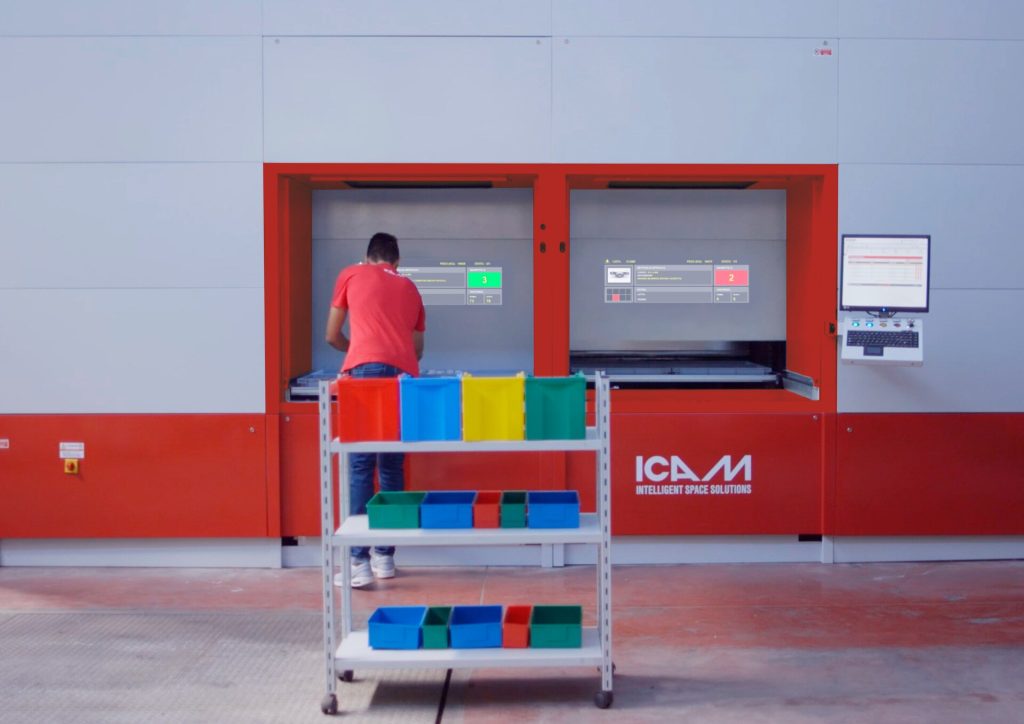
For companies looking to optimize their logistics processes, innovative solutions like those offered by ICAM can make a difference.
ICAM provides automated warehouses that improve the efficiency and accuracy of logistics operations, enabling businesses to successfully tackle today’s supply chain challenges.
Discover more about our solutions to make your warehouse more efficient