
Order picking or bach picking? Let’s see what we are talking about.
Warehouse picking ors one of the more critical phases of order processing as it is also one of the most expensive ones; in fact, its cost often accounts for more than half of all logistics costs.
For this reason it is essential to identify the right picking logic, not only to reduce warehouse costs, but also to:
- Increase the pick-to-rate per operator: if items are picked faster, it means that a greater number of orders can be processed
- Reduce lead times: faster order picking results in faster deliveries
- Reduce errors: identifying the right picking logic is instrumental in facilitating the picking process for operators, who will in turn make fewer mistakes
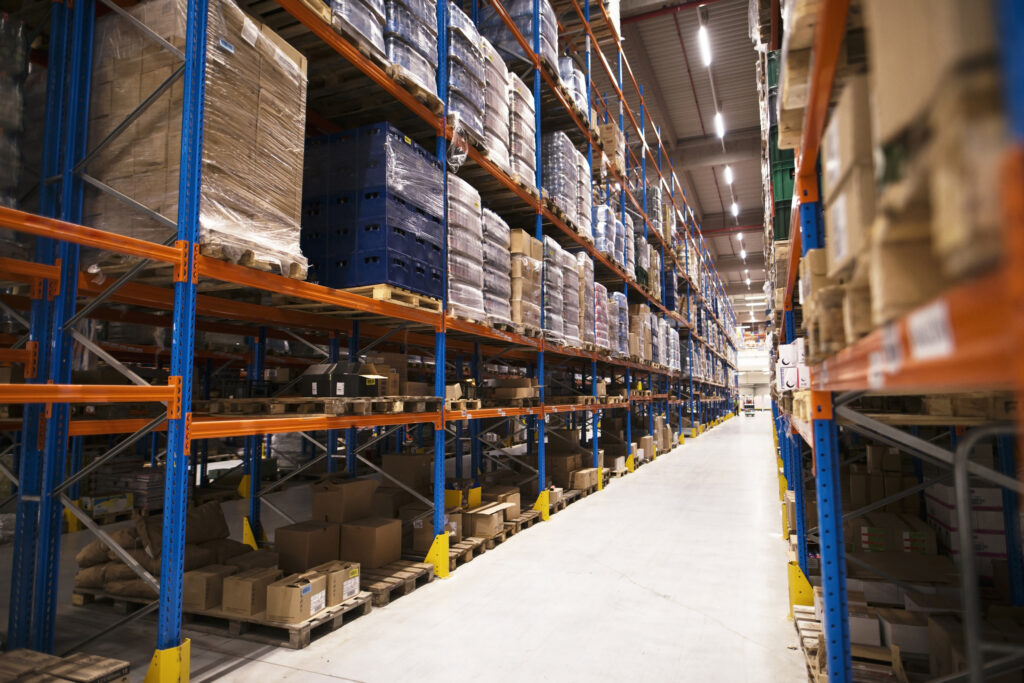
The most common picking logic: single picking vs batch picking – a comparison
The picking logic most widely adopted by companies are Order Picking and Batch Picking.
Order Picking or Picking by order: what is it and how does it work?
Order Picking literally means picking the items needed to fulfil a single order at a time.
This picking method is the most common and easier to adopt because once an order is received you simply have to generate the order slip and send it to the operator who will be responsible for collecting the articles.
Depending on the type of goods processed in the warehouse, a variety of picking logics can be adopted:
- FIFO (First-in-first-out): stock management method used for products with high rotation and fast deterioration. In this case the articles that enter the warehouse first are the first ones to be taken out
- FEFO (First expired, First out): this logic is used by companies that deal with articles subject to obsolescence or deterioration for which the expiry date constitutes essential information for picking. Older articles, those with the earliest expiry dates, will be picked first
- LIFO (Last-in-first-out): stock management logic which calls for the articles which were purchased more recently, or the last to have entered the warehouse, to be the first to go out. This technique is sometimes adopted by companies in a speculative way to store goods and use them only when prices are more advantageous and not according to a simple consumption logic.
When should order picking logic be used?
Order picking can be particularly advantageous in the following circumstances:
- warehouses with a large number of SKUs (Stock Keeping Units), or items managed in the warehouse, which nevertheless have low picking quantities
- small warehouses in which only a few SKUs are managed and the operator is able to quickly reach the next SKU
The advantages and disadvantages of order picking
Advantages
Among the many benefits of using an Order Picking strategy are:
- Simple and fast to implement: when an order arrives it’s just sufficient to generate a single picking list for the entire order or multiple picking lists that make up fractions of the original order
- Reduced training input for staff: picking one article at a time, for the fulfilment of a single order at a time, immediately makes the picking staff autonomous, with no need for long training courses and/or additional support
Disadvantages
Among the potential disadvantages of this strategy, however, we find:
- Long order fulfilment times: orders with many rows of articles force warehouse pickers to make many stops around the warehouse in order to pick the different articles, which inevitably lengthens the time required to complete their task
- Labour-intensive: processing a large number of items involves the warehouse operator covering long distances
- High labour costs: the company is obliged to hire extra staff to cope with seasonal peaks in which such high numbers of orders are so concentrated that the ordinary staff would be unable to fulfil them
- High probability of picking errors: no matter how careful they are, when warehouse operators are under pressure, they can make picking errors both in terms of quality and quantity of articles
Batch Picking: what is it and how does it work?
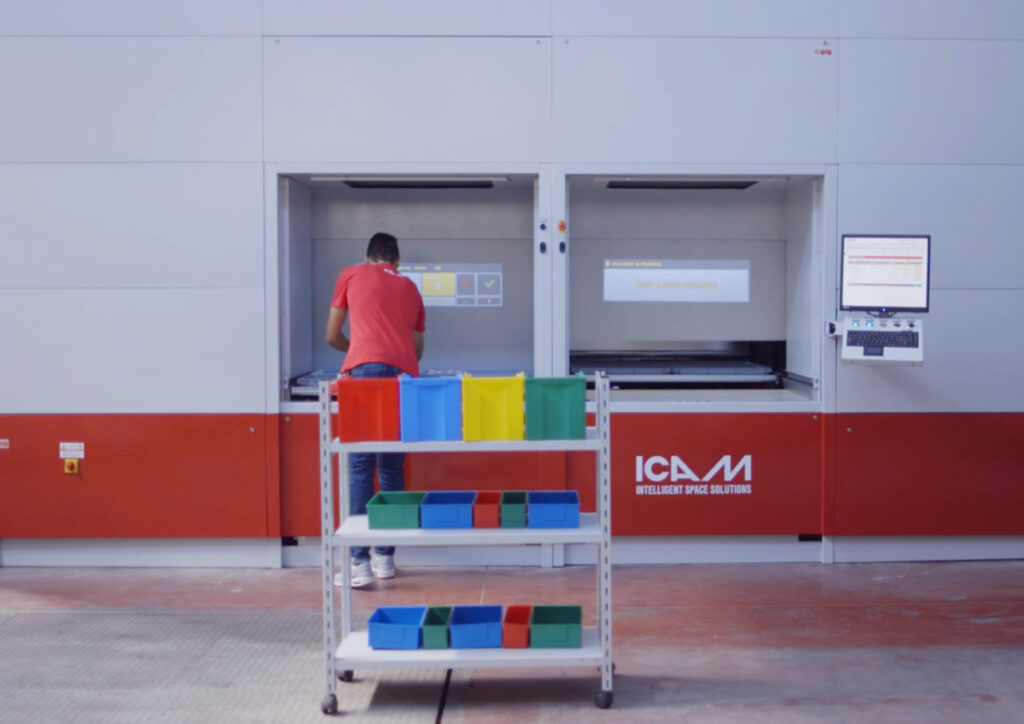
Batch picking, or in other words picking in lots is also known as multi-order picking. This picking logic requires warehouse operators to simultaneously pick several articles of the same type (SKU) and then subsequently sort them into the various orders (sorting).
When is it advantageous to use batch picking?
Batch picking is particularly advantageous when:
- The items to be picked are homogeneous and small in size: this allows operators to pick them quickly and place them into a variety of boxes ready for sorting into the various orders
- The orders to be fulfilled are single article
- The number of orders to be processed is very high
The advantages and disadvantages of batch picking
Advantages
Adopting a batch picking logic offers a series of benefits including:
- Increased operational efficiency: by reducing the number of times they need to walk and collect items, the pick-to-rate of each warehouse operator increases significantly
- Reduction in order fulfilment times: the possibility to work on multiple orders at the same time allows pickers to complete their picking operations more quickly
- Reduction in labour costs: batch picking enables operators to manage seasonal peaks without the need for extra staff
Disadvantages
Some of the disadvantages of batch picking include:
- Greater management complexity: in order to simultaneously fulfil orders for different customers, it is necessary to better organize replenishment protocols and properly train the staff
- Greater risk of mistakes being made: the risks of mistakes rises considerably if, in addition to picking, the operator is also entrusted with the task of sorting the goods to facilitate the subsequent consolidation of orders, packaging and shipping
Order picking and batch picking: can they exist side by side?
Both picking strategies have advantages and disadvantages that companies must evaluate carefully according to the stock they hold, their organization and their business objectives.
Despite the fact that companies tend to adopt exclusively just one of these approaches, if the warehouse is organized efficiently, adopting them both can also be successful: while one part of the warehouse is used for batch picking to manage large orders, the other is used for order picking to manage more complex and varied orders which have fewer units.
Optimizing picking by exploiting the potential of ICAM’s automated vertical lift modules
Whatever picking logic you use, switching to intelligent automated solutions becomes essential to achieve the performance goals you desire.
A successful example is Uniservice , a company which distributes products for hydraulic systems and uses an “order picking” logic. Thanks to the installation of 4 vertical lift multi-column modules, SILO² was able to significantly reduce picking times: before the operators were able to carry out 160/180 picking operations per day, whereas now they can achieve more than 200 picking operations in just half a day.
Another successful case is Pennellificio Bulova, a leading company in the production of professional brushes and rollers that operates according to a batch picking logic: the instalment of 2 SILO² automated lift modules installed outside the plant has made it possible to significantly reduce processing times for picking lists, both for the raw materials needed for production and finished products to be shipped out directly.